Experience Iraq
Iraq is more than ruins: a generous table, tea that never runs out, music and crafts centuries old, and seasons that make every month a different journey.
The Iraqi table
Dishes no trip is complete without
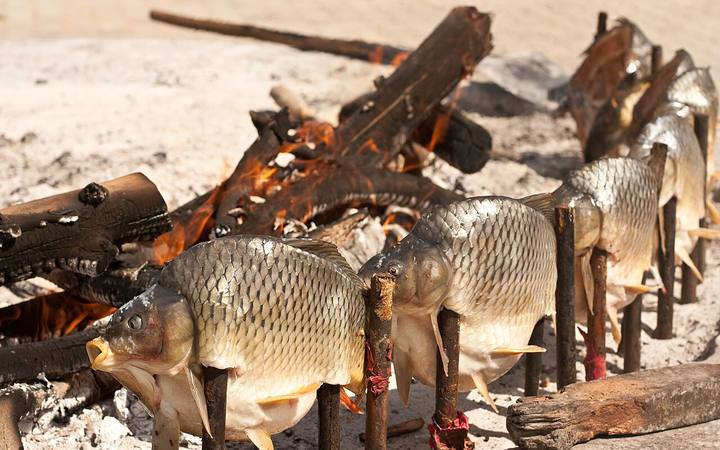
Masgouf
Carp split open and slow-grilled upright around a wood fire, Baghdad’s signature dish on the Tigris.
Try it at: Abu Nuwas Street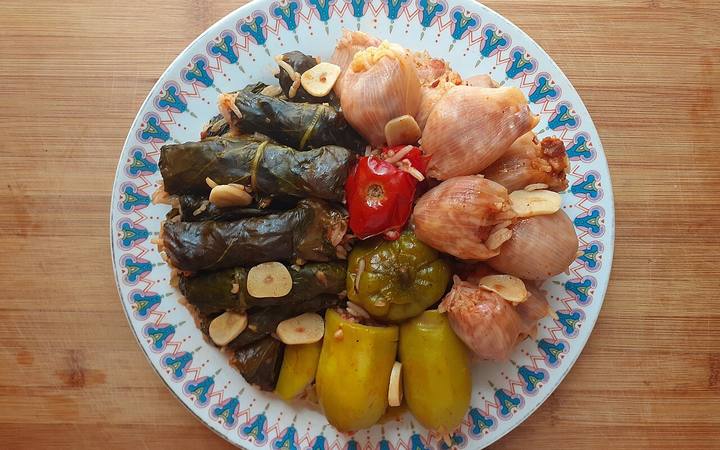
Dolma
Vegetables and vine leaves stuffed with rice and meat and cooked sour: the queen of the Friday family table.
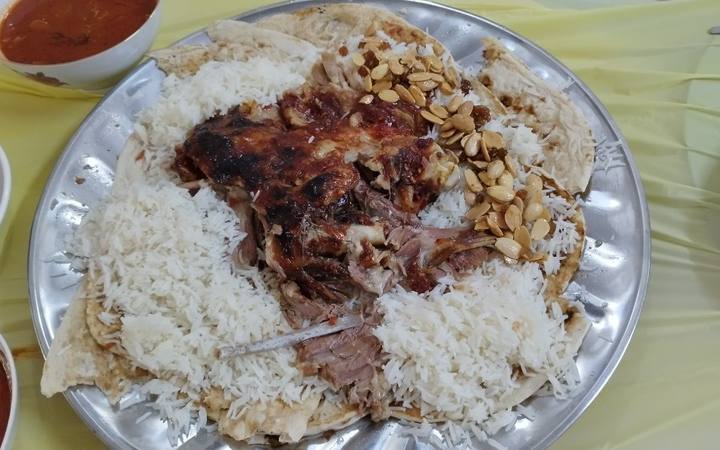
Quzi
Lamb slow-cooked and served on rice with nuts and raisins: the dish of feasts and weddings.
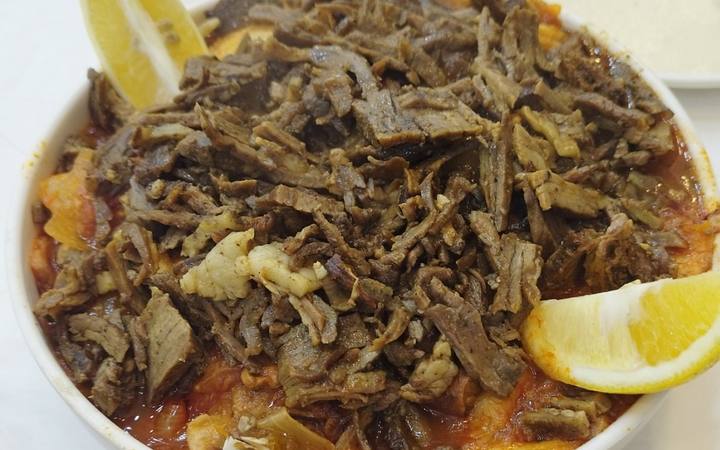
Tashreeb
Bread soaked in a meat or chicken broth: warm home cooking Iraqis love in winter and Ramadan.
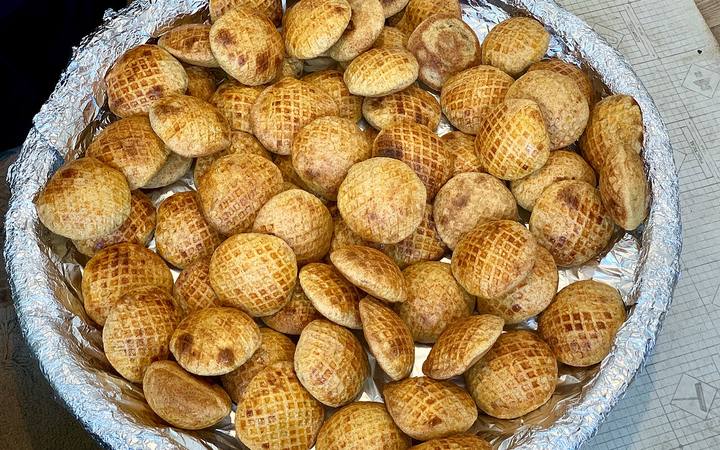
Kleicha
Iraqi cookies filled with dates or walnuts and cardamom: the smell of Eid in every home.
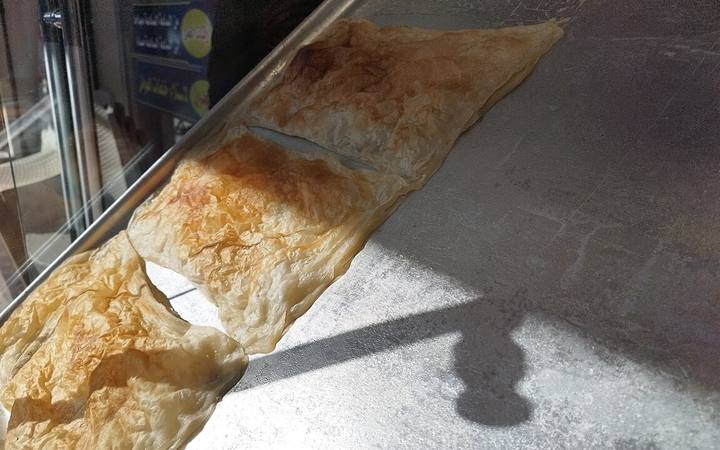
Kahi and geymar
Clotted water-buffalo cream with crisp pastry and date syrup: Baghdad’s breakfast.
Try it at: The Marshes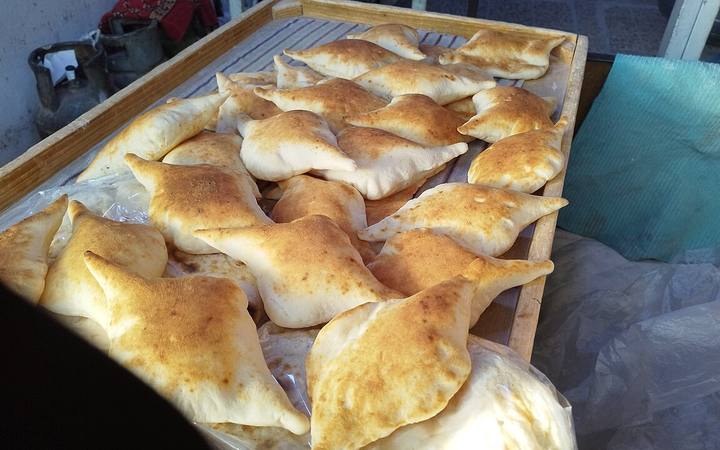
Samoon
Diamond-shaped bread hot from stone ovens, partner to every meal and every falafel wrap.
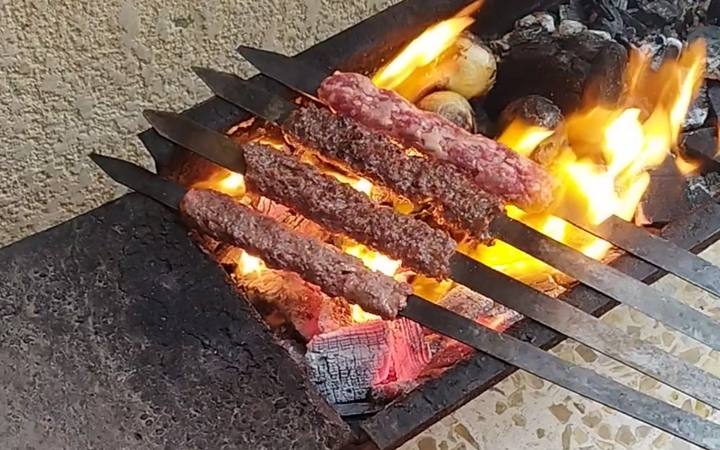
Kebab
Minced meat on skewers over charcoal, each city with its own style, from Fallujah to Erbil.
Try it at: Fallujah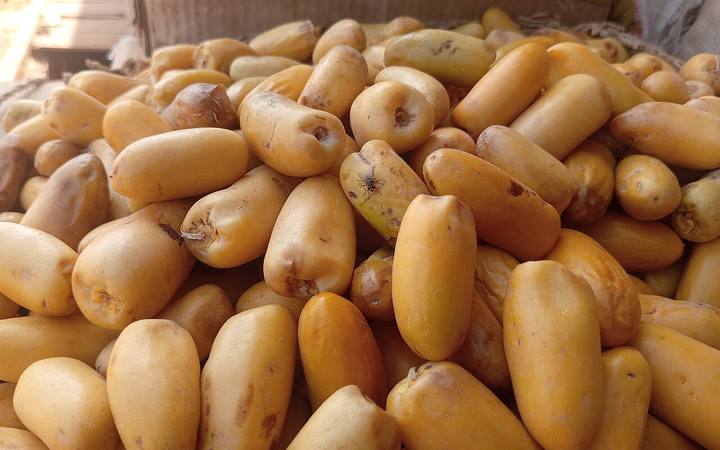
Barhi dates
Iraq is the land of the palm, and yellow Barhi is among its sweetest dates, eaten fresh in autumn.
Try it at: Shatt al-Arab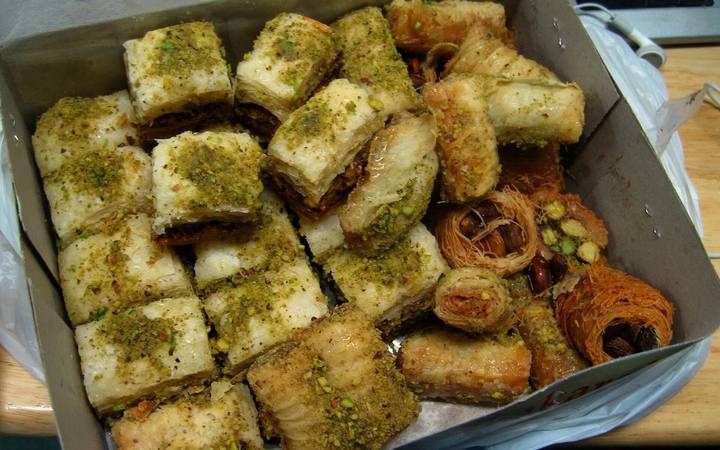
Iraqi sweets
From baklava and zlabia to Kurdish man al-sama and Najaf’s dihin, every city has its own sweet.
Tea and cafés
The istikan is never empty, and the café is a second home
Iraqi tea
Drunk from the small istikan glass, strong and sweet, sometimes with cardamom, and offered to a guest before anything else.
Qaysari Bazaar and Shar Square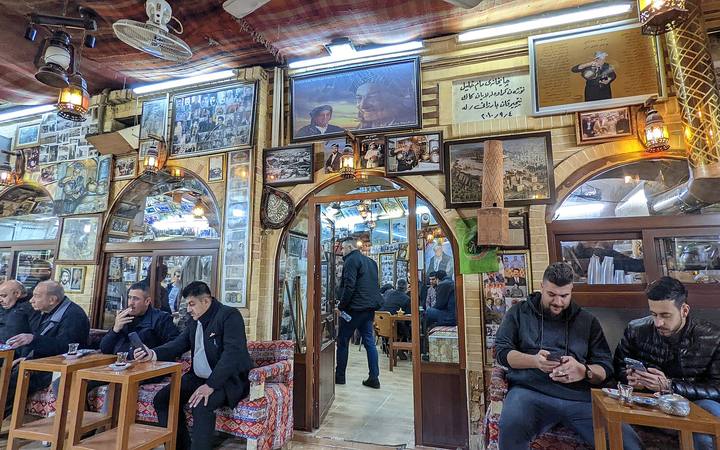
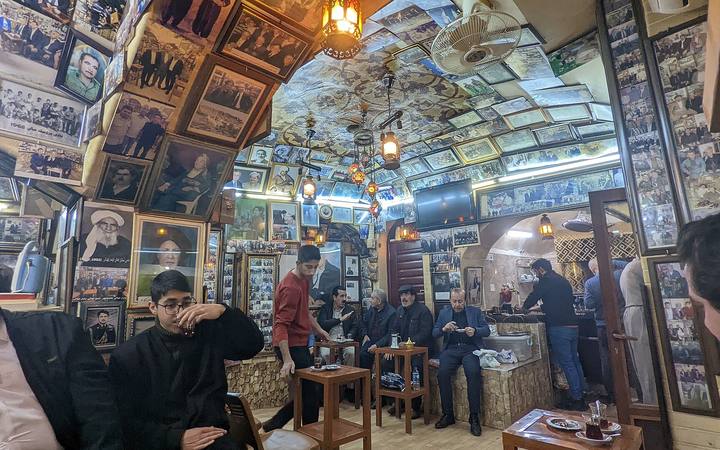
Mam Khalil tea house
One of Erbil’s best-known tea houses in the Qaysari bazaar, its walls covered in old photographs.
Qaysari Bazaar and Shar Square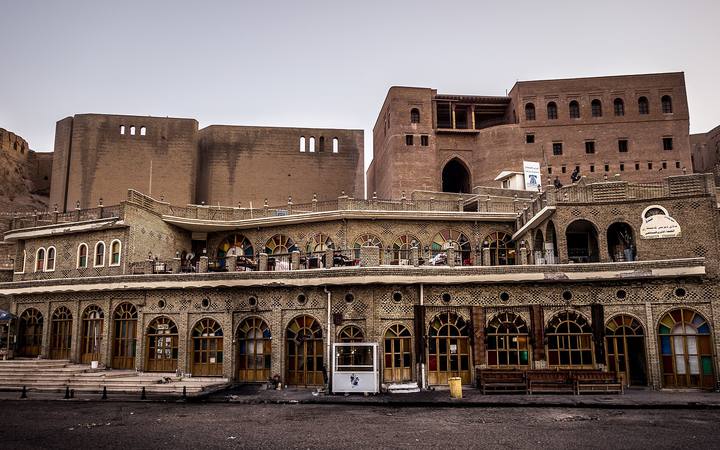
Mechko café
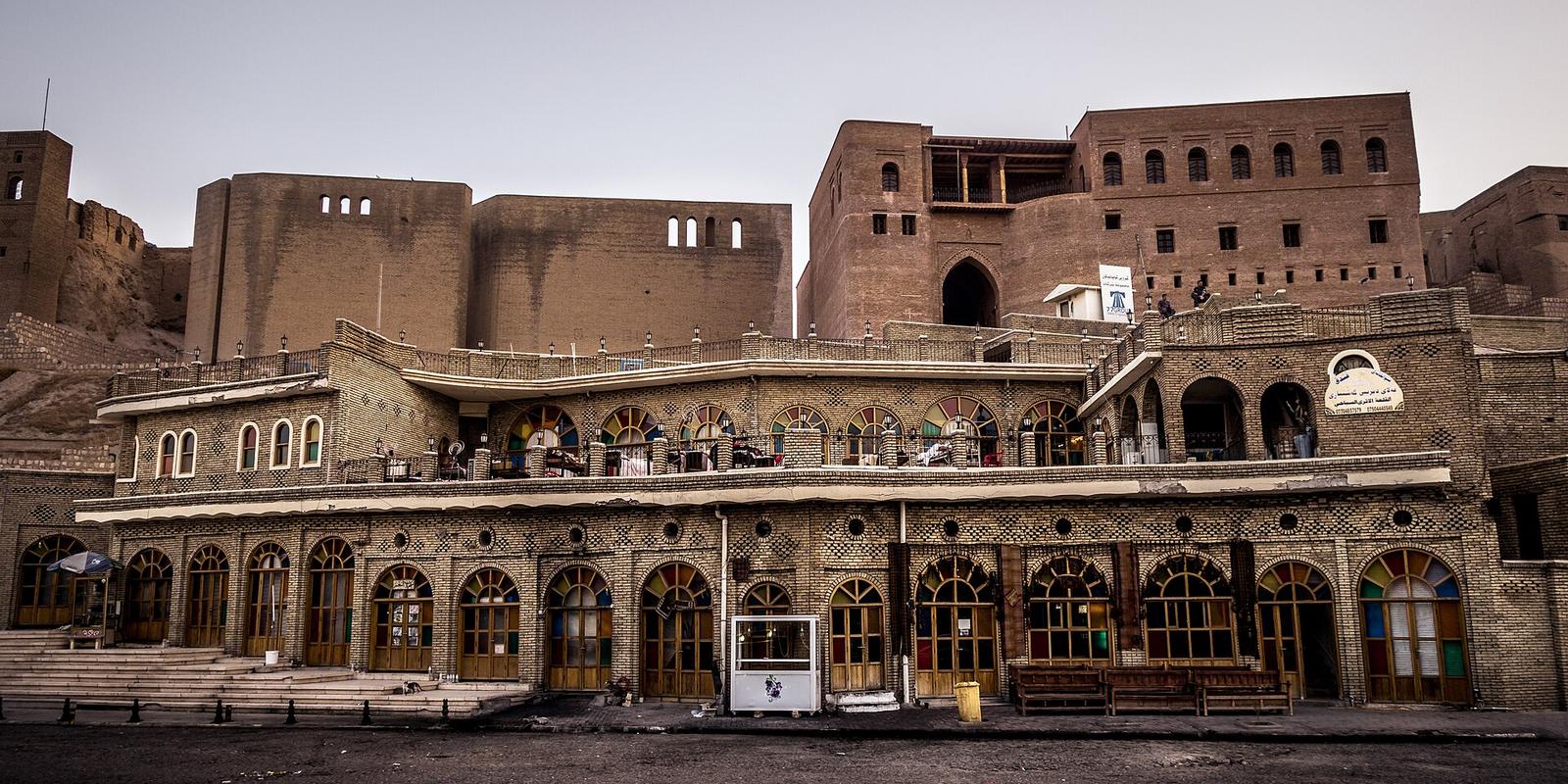
A heritage café right below Erbil Citadel, where you drink tea with the citadel above you.
Erbil Citadel
Iraq through the year
Every season has its own face; choose when to come
 March
Newroz
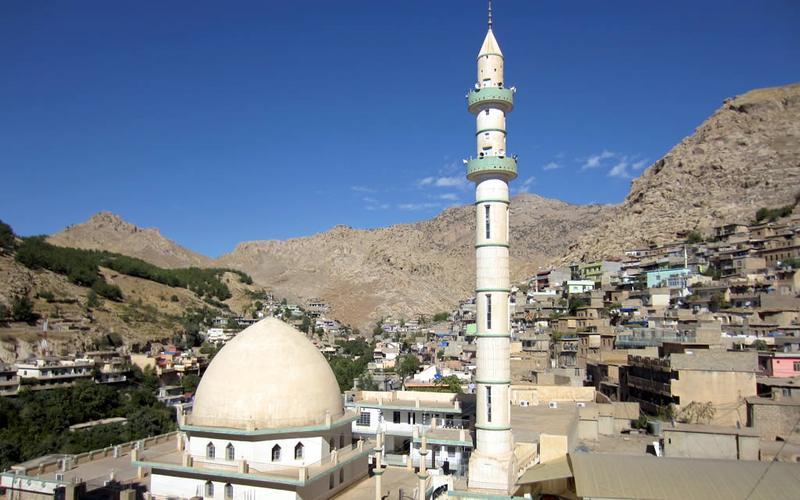
On 21 March fires blaze on Kurdistan’s peaks; the loveliest is the torch procession up the mountain at Akre.
Akre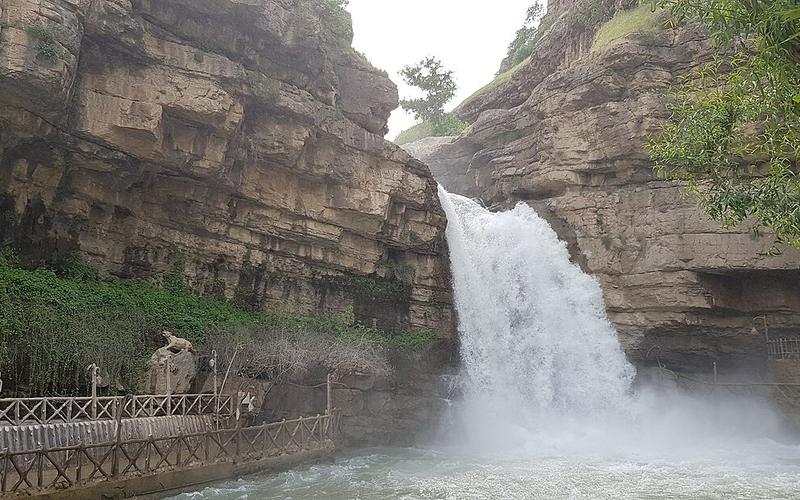 April – May
Waterfalls at their fullest
Snowmelt fills Gali Ali Beg and Bekhal, and every hillside turns green.
Gali Ali Beg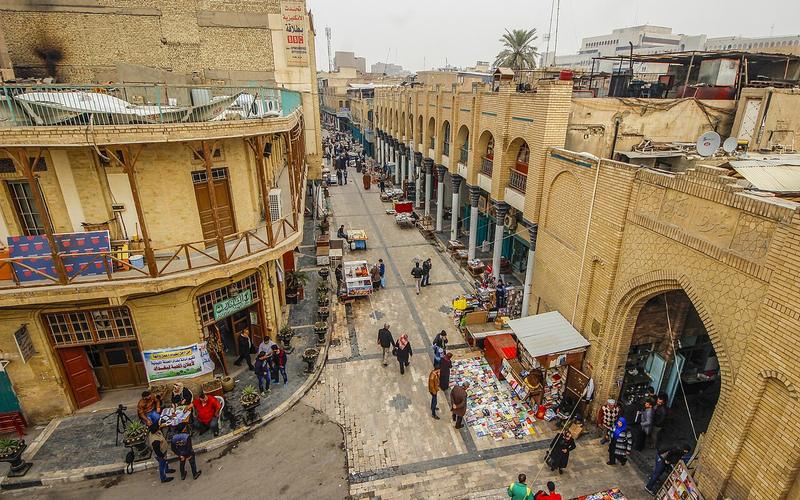 Ramadan
 nights
Its dates move each year; Baghdad stays up until suhoor, and Eid arrives with trays of kleicha.
Al-Mutanabbi Street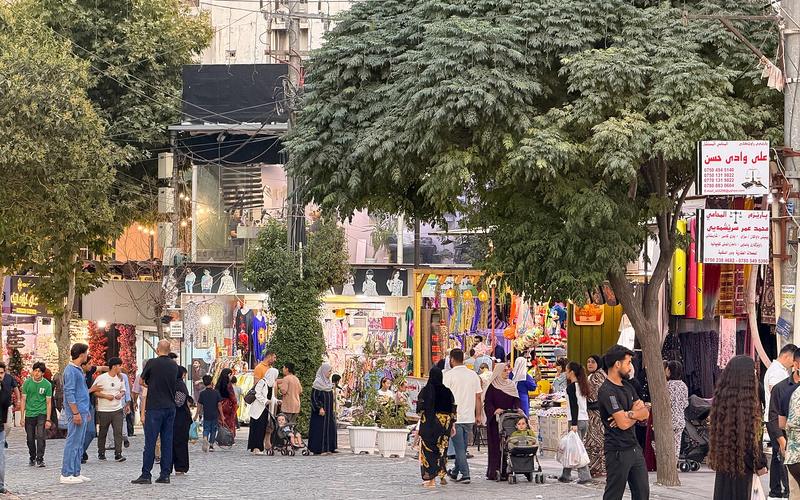 June – August
Escape to the mountains
When the southern heat peaks, people head up to Shaqlawa, Zawita and Lake Dukan.
Shaqlawa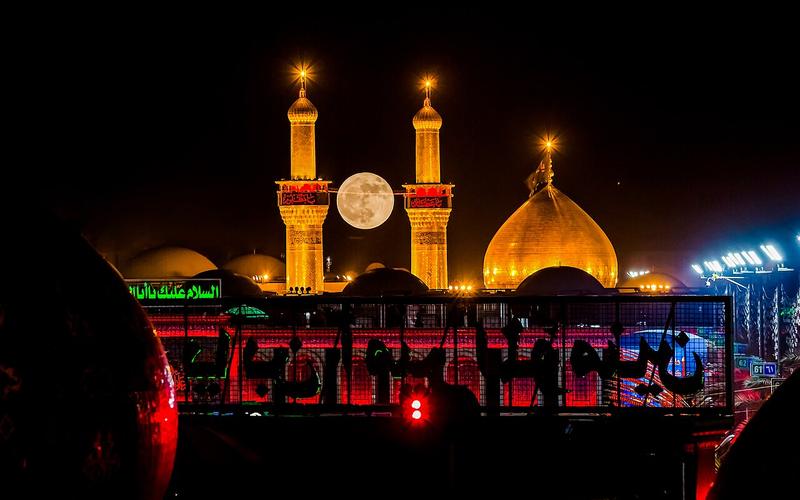 Arbaeen
The Arbaeen walk
On 20 Safar millions walk to Karbala, and roadside mawakib feed passers-by for free.
The shrines of Karbala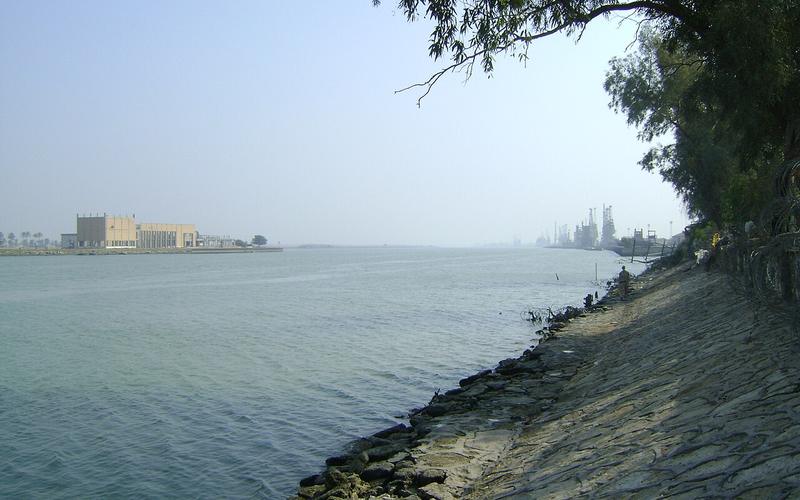 August – October
Date harvest
Basra’s dates ripen along the Shatt al-Arab: Barhi, Khastawi and Zahdi.
Shatt al-Arab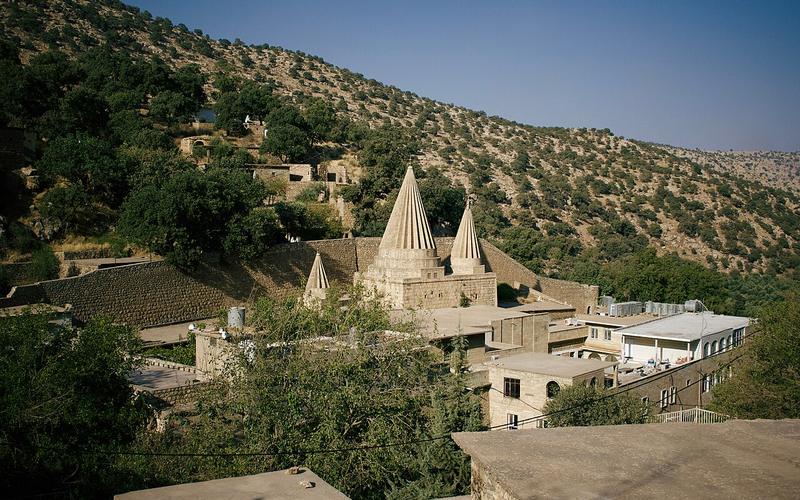 Autumn
The Feast of the Assembly
Each autumn Yazidis gather in the Lalish valley for their most important feast.
Lalish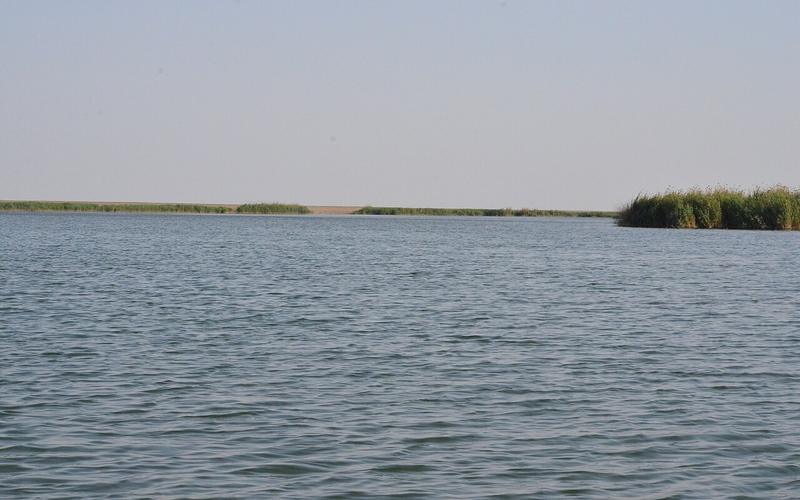 November – February
Birds of the marshes
Thousands of migrating birds settle in the marshes and Dalmaj; winter is the best season for boat trips.
Dalmaj Marsh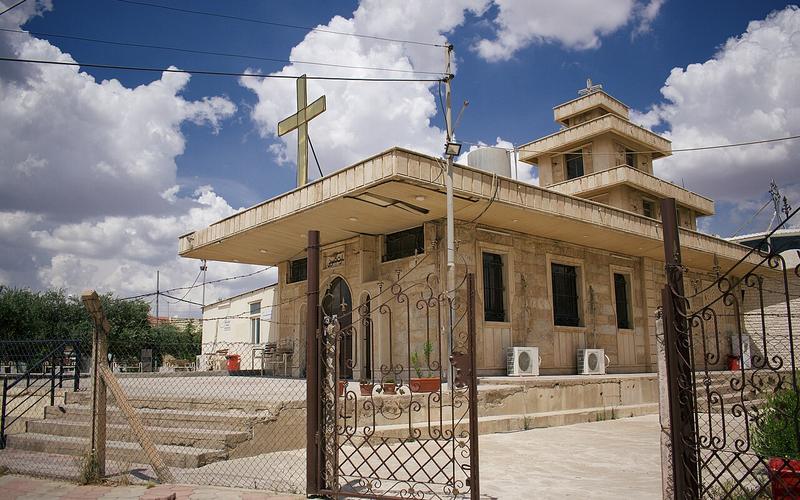 December
Christmas in Ankawa
Ankawa, Alqosh and the Nineveh Plain villages fill with lights, and churches with midnight Mass.
Ankawa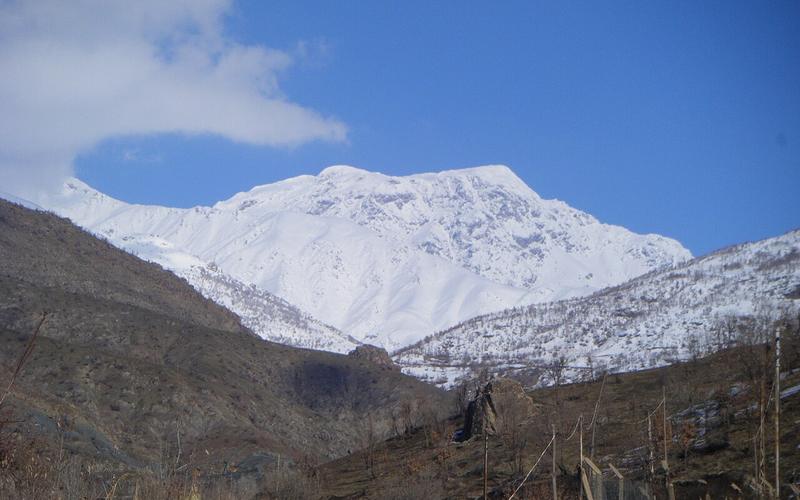 January – February
Kurdistan snow
Snow blankets Penjwen, Halgurd and Korek, and Iraqis come up from the south to see it, many for the first time.
Mount Halgurd
Music of Iraq
From the Baghdadi maqam to the dances of Newroz
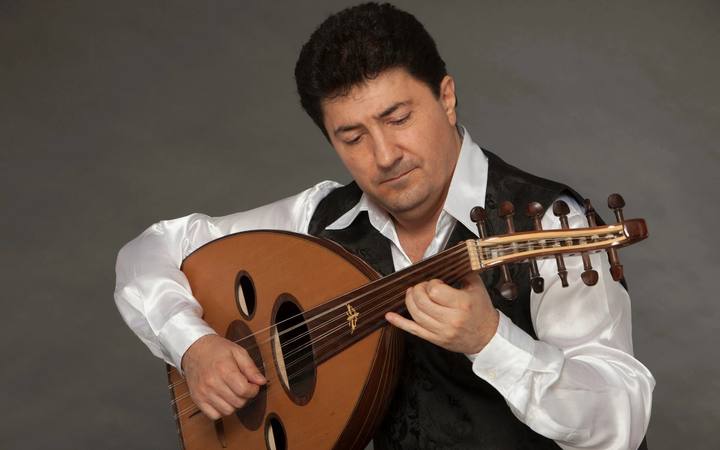
The Iraqi Maqam
A classical Baghdadi vocal art listed by UNESCO as intangible cultural heritage of humanity.
The Qishla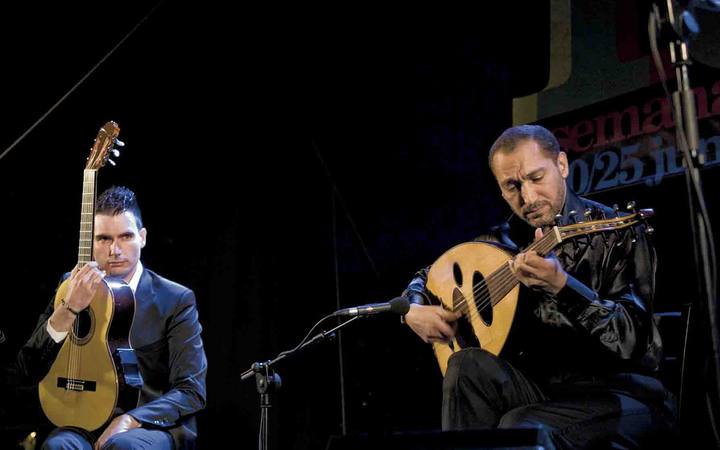
The Iraqi oud
From Munir Bashir to Naseer Shamma, the Iraqi oud has become a school known worldwide.
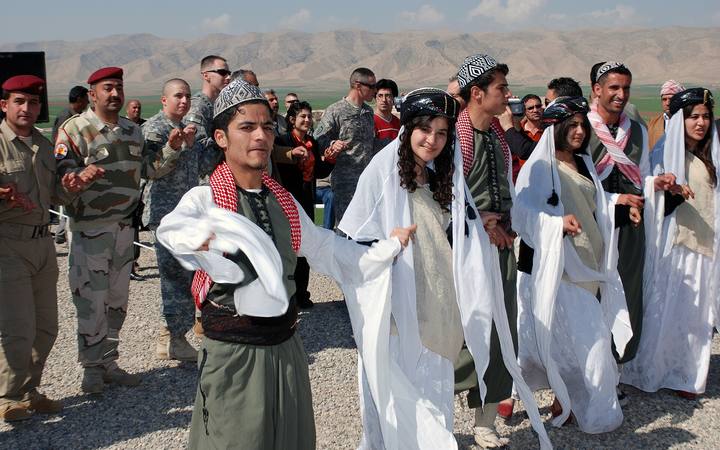
Names to listen to: Nazem al-Ghazali, Yusuf Omar, Muhammad al-Qubbanchi, Munir Bashir, Naseer Shamma, Ilham al-Madfai, Hassan Zirak
Iraqi arts and crafts
Arts and crafts centuries old
Amarah silver
Mandaean silversmiths famed for engraving silver with black niello, a craft handed down in Maysan and Baghdad.
The shanasheel of Amarah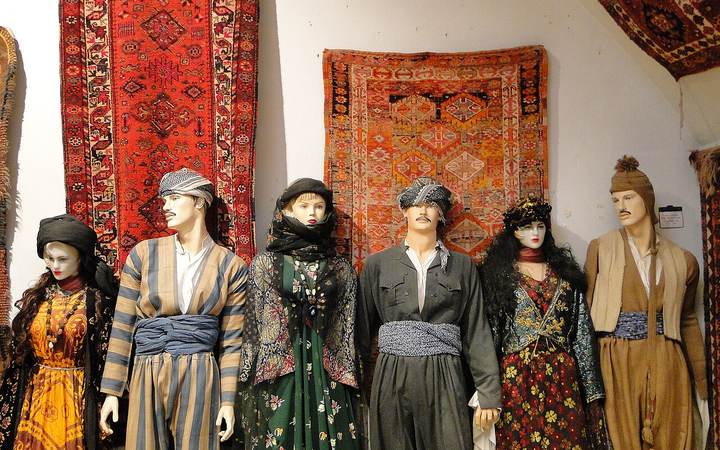
Kurdish kilims
Hand-woven rugs with colours and patterns for every village, preserved today by the Textile Museum in Erbil Citadel.
Kurdish Textile Museum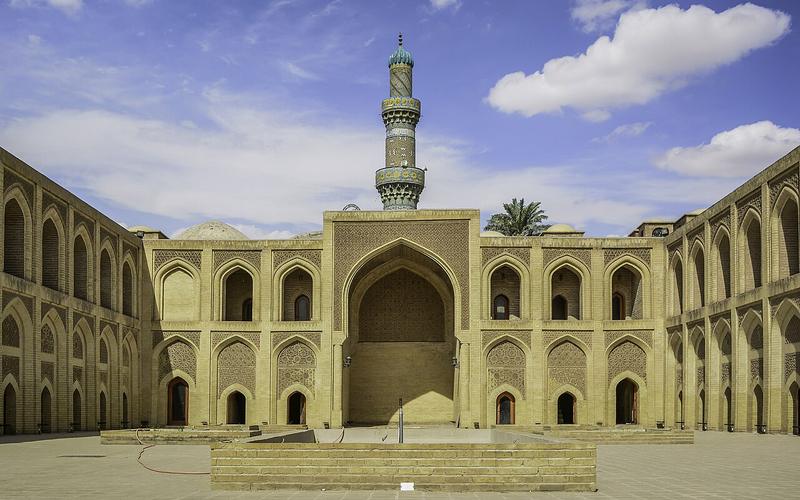
The coppersmiths’ market
Suq al-Safafir near al-Mustansiriya, where craftsmen have hammered copper pots and jugs for centuries.
Al-Mustansiriya Madrasa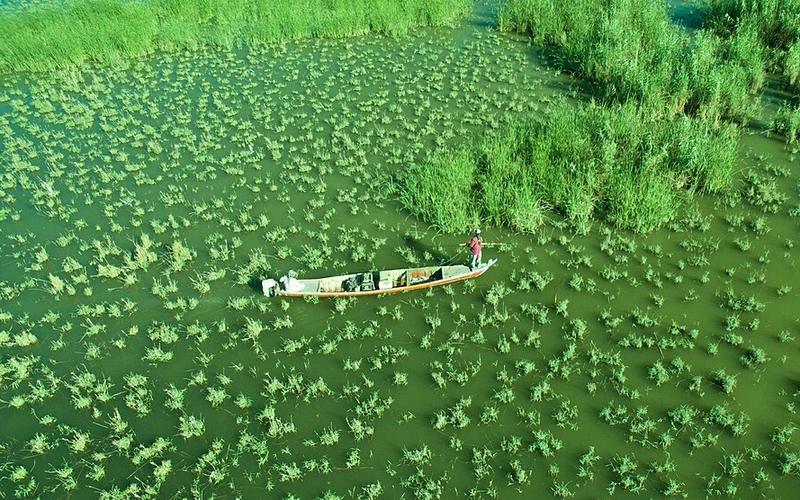
The mudhif
A guesthouse of arched reeds built in the marshes without a single nail, just as it appears on Sumerian seals.
The Marshes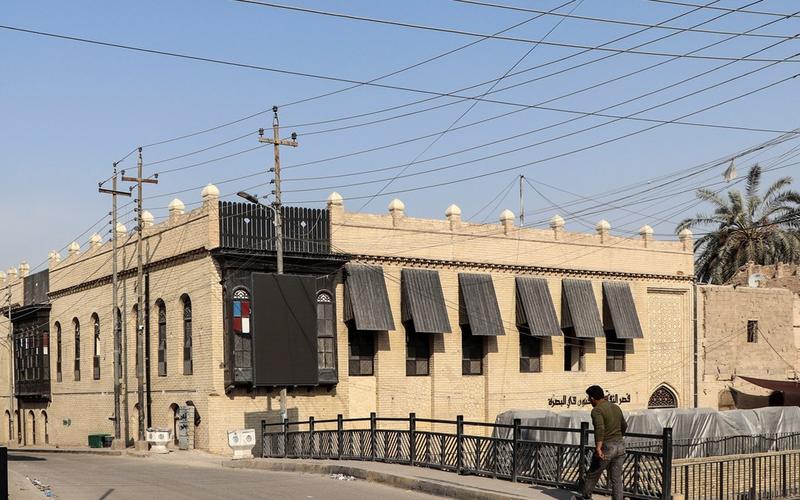
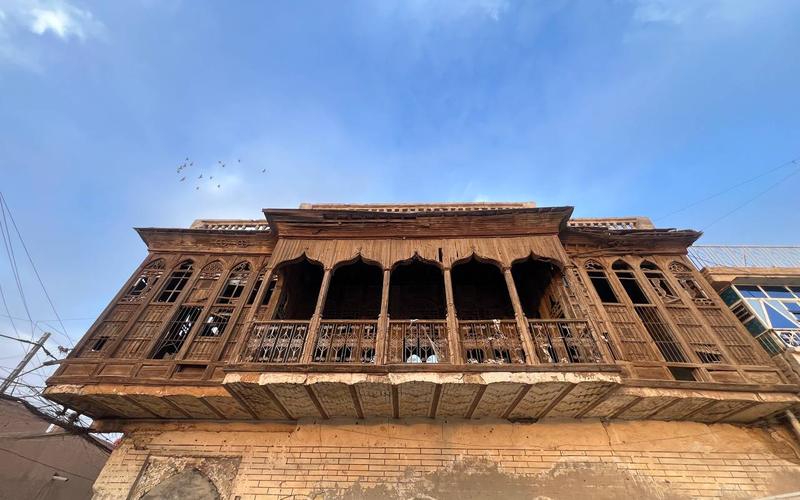
Shanasheel woodwork
Carpenters crafted the latticed wooden balconies of old Basra, and workshops today are restoring them.
Old Basra’s shanasheel
Iraqi phrases
Words that open hearts before doors
| Phrase | Say it | Meaning |
|---|---|---|
| شلونك؟ | shlōnak? | How are you? |
| زين، الحمد لله | zēn, il-ḥamdilla | Fine, thank God |
| شكو ماكو؟ | shaku maku? | What’s up? What’s new? |
| هلا بيك | hala bīk | Welcome, hi |
| تفضّل | tfaḍḍal | Please, go ahead, come in |
| شگد؟ | shgad? | How much? |
| ماكو مشكلة | maku mushkila | No problem |
| على راسي | ʿala rāsi | With pleasure (literally: on my head) |
| تسلم إيدك | tislam īdak | Thank you (for food or help) |
| عيني | ʿēni | My dear (literally: my eye) |
| الله وياك | allah wiyāk | Goodbye (God be with you) |
| يمعود | yamʿawwad | Come on, man (friendly) |
And in Kurdish (Sorani)
| Phrase | Say it | Meaning |
|---|---|---|
| سڵاو | slāw | Hello |
| چۆنی؟ | chōnī? | How are you? |
| سوپاس | supās | Thank you |
| بەخێربێیت | bakhērbēt | Welcome |
How to be a guest in Iraq
- If you are offered tea, accept it; turning down hospitality can seem cold.
- Take off your shoes at a home’s door if you see the family’s shoes there.
- Give and receive things with your right hand.
- Your host will insist on paying; protest a little, then thank them.
- Ask before photographing people, especially women.
- If you are invited to eat, expect your host to insist you eat more; “I’m full, bless your hands” is the polite way to stop.
- At home the guest is given the best seat, and accepting it is good manners.
Food photos: Al Jazeera English · Wikimedia Commons · CC BY-SA 2.0 | Abdulsalam Al Dabbagh · Wikimedia Commons · CC BY-SA 4.0 | Slayym · Wikimedia Commons · CC BY-SA 4.0 | Samsule2 · Wikimedia Commons · CC BY-SA 4.0 | Kushared (Mohammed Sardar) · Wikimedia Commons · CC BY-SA 4.0 | Rawen pasha · Wikimedia Commons · CC BY-SA 3.0 | mark gallagher · Wikimedia Commons · CC BY 2.0 | Córdoba 2016 · Wikimedia Commons · CC BY 2.0 | رائد خوشابا · Wikimedia Commons · CC BY-SA 4.0 | DVIDSHUB · Wikimedia Commons · CC BY 2.0